


Cloud Security & Compliance:
Protection for Modern Businesses
Data breaches cost organizations an average of $4.45 million per incident. Cloud environments face constant threats from cyberattacks and regulatory scrutiny. Your business cannot afford security gaps.Cloud security and compliance form the foundation of modern business operations. Organizations must protect sensitive data while meeting strict regulatory requirements. This challenge grows more complex as cloud adoption accelerates.This comprehensive guide explores cloud security and compliance strategies. You will discover frameworks cloud providers use. You will learn best practices organizations maintain. You will understand how to strengthen your security posture while achieving compliance goals.
Discover Your Cloud Security Gaps
Our security experts will conduct a comprehensive assessment of your cloud infrastructure. Identify vulnerabilities before they become breaches. Get actionable recommendations tailored to your environment. We evaluate configurations, access controls, and compliance gaps across your entire cloud ecosystem. Take the first step toward a more secure, resilient cloud environment today.
What does Cloud Security and Compliance refers
Cloud security refers to the set of policies, technologies, and controls deployed to protect data, applications, and infrastructure associated with cloud computing. It encompasses various measures, including identity and access management, data protection, and network security, to safeguard sensitive information from unauthorized access and breaches. As organizations increasingly migrate to cloud environments, the need for robust security frameworks becomes paramount.
Compliance, on the other hand, involves adhering to laws, regulations, and standards that govern data protection and privacy. Organizations must navigate a complex landscape of compliance requirements, which vary by industry and region. Effective cloud security not only protects data but also ensures that organizations meet their compliance obligations, thus avoiding legal penalties and maintaining customer trust.
Understanding Cloud Security in Modern Environments
Cloud security encompasses technologies and practices that protect cloud-based systems. Organizations face unique challenges in cloud environments. Traditional security models no longer suffice for distributed infrastructure. As threats evolve, so must the strategies employed to mitigate them. Continuous adaptation and innovation in security protocols are essential to safeguard sensitive data. Additionally, organizations must foster a culture of security awareness among employees to ensure comprehensive protection against potential breaches.
Core Components of Cloud Security
Effective cloud security requires multiple layers of protection. Each component addresses specific vulnerabilities. Organizations must implement comprehensive strategies. Additionally, staying informed about emerging threats and regularly training staff on security best practices are crucial for maintaining a robust security posture.
Identity and Access Management
Access controls determine who can view or modify resources. Proper identity management prevents unauthorized access. Organizations must verify user identities continuously, ensuring that only authorized personnel have the necessary permissions.
In addition to technical measures, fostering a culture of security awareness among employees is vital. Regular training sessions can help staff recognize potential threats and understand the importance of adhering to access protocols, creating a resilient security environment.
- Multi-factor authentication for all user accounts
- Role-based access control implementation
- Privileged access management systems
- Regular access reviews and audits
Data Protection Measures
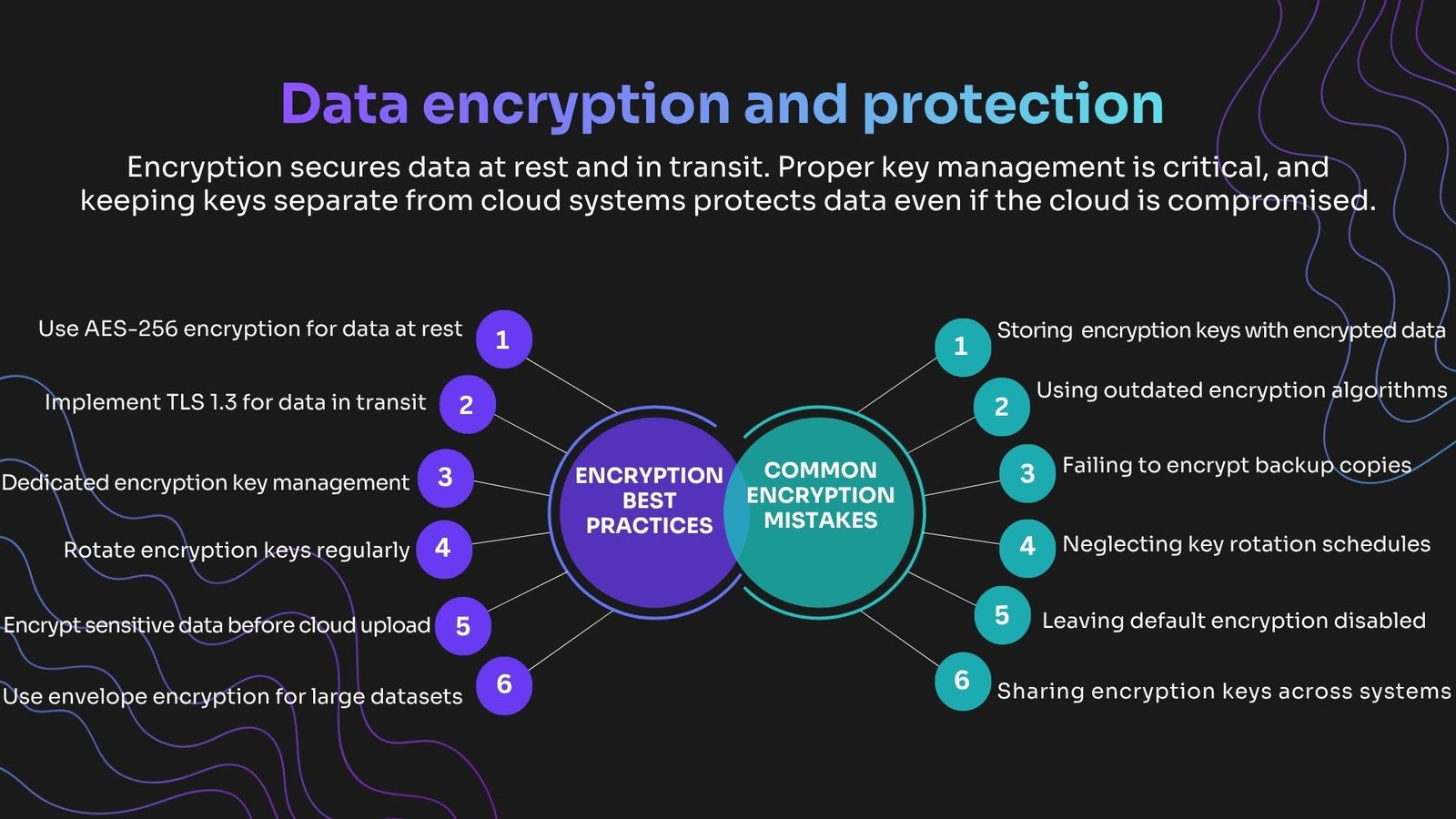
Data encryption protects information at rest and in transit. Organizations must safeguard personal data and business information. Without effective encryption, sensitive data is vulnerable to breaches and unauthorized access. Security compliance depends on robust data protection.
Implementing strong encryption protocols not only mitigates risks but also fosters trust with clients and stakeholders. Regular audits and updates to encryption practices ensure ongoing protection against evolving threats, making it essential for organizations to stay vigilant in their security efforts.
- Encryption for data storage and transmission
- Data loss prevention tools deployment
- Backup and disaster recovery systems
- Data classification and handling policies
Network Security Controls
Network segmentation limits breach impact. Firewalls and intrusion detection systems monitor traffic. Organizations maintain security through continuous monitoring. By implementing proactive measures, businesses can identify vulnerabilities before they are exploited. Additionally, incident response strategies ensure swift action is taken when threats are detected, minimizing potential damage.
Regular updates to security protocols are essential to counteract evolving threats. Collaboration among security teams enhances the overall effectiveness of the security posture. Ultimately, a comprehensive approach to network security is vital for safeguarding sensitive information.
- Virtual private cloud configuration
- Network segmentation strategies
- Web application firewalls
- DDoS protection mechanisms
Security Monitoring Systems
Continuous monitoring detects threats in real time. Security tools analyze patterns and anomalies. Organizations respond faster to potential breaches. By leveraging machine learning algorithms, security systems can adapt to new threats dynamically. Furthermore, integrating threat intelligence feeds enhances the accuracy of detection.
Regular training for security personnel ensures they can effectively interpret alerts. A layered security approach provides additional resilience against sophisticated attacks. Ultimately, the combination of technology and human expertise is crucial for robust security management.
- Security information and event management
- Real-time threat detection systems
- Automated incident response workflows
- Continuous vulnerability scanning
Cloud Infrastructure Security Challenges
Environment Challenges

Shared Responsibility Models:
- These models often lead to confusion regarding the distribution of security responsibilities between cloud providers and organizations.
- Clear understanding is essential to mitigate risks and enhance security posture.
Misconfiguration Issues:
- Misconfiguration is often identified as the leading cause of significant cloud security incidents.
- Regular comprehensive audits and automated configuration management can help effectively reduce these risks.
Visibility Challenges

Distributed Systems:
- Visibility across distributed systems becomes increasingly difficult as cloud infrastructure spans multiple regions and services.
- Utilizing centralized monitoring tools can aid security teams in maintaining oversight.
Real-time Monitoring Needs:
- Implementing real-time monitoring solutions is critical for identifying and responding to security threats swiftly.
- Organizations must invest in tools that provide immediate alerts and insights into their cloud environments.
Data Residency Requirements

Global Operations Compliance:
- Organizations must navigate complex data residency requirements to comply with regional regulations.
- Understanding the specific regulations in each jurisdiction is crucial for legal compliance.
Compliance Certifications:
- Cloud providers offer varying compliance certifications, which can impact the choice of cloud solutions.
- Organizations should evaluate these certifications to ensure they meet their regulatory needs.
Essential Compliance Frameworks for Cloud Security
Compliance frameworks establish security and privacy standards. Organizations must adhere to multiple regulatory requirements. Understanding frameworks cloud providers support helps businesses choose appropriate solutions. As regulations evolve, organizations need to remain vigilant and proactive in adapting to new compliance demands. Failing to meet these standards can lead to significant legal and financial repercussions. Furthermore, staying informed about updates in compliance frameworks ensures that organizations can effectively protect sensitive data and maintain customer trust.
Major Regulatory Compliance Standards
Different industries face specific compliance requirements. Regulatory frameworks protect customer data and ensure business integrity. Organizations implement controls that satisfy multiple standards simultaneously.
- GDPR: EU data privacy, consent, and breach alerts (EU / All Industries).
- HIPAA: Health data security and access controls (US / Healthcare).
- PCI DSS: Payment and cardholder data protection (Global / Payment Processing).
- SOC 2: Security, availability, and confidentiality controls (US / Service Providers).
- ISO 27001: Information security management systems (International / All Industries).
- FedRAMP: Federal security standards and continuous monitoring (US Federal / Government).
Compliance Requirements by Framework
Each framework mandates specific controls and processes. Organizations align security practices with regulatory requirements. Compliance frameworks share common objectives despite different approaches.
- Data Privacy and Protection Standards: Privacy laws stress consent and transparency in data handling, including breach notifications. GDPR enforces heavy fines on EU firms for data processing violations. CCPA grants California residents rights over their data, such as requesting disclosures and deletions.
- Industry-Specific Security Standards: Healthcare organizations must comply with HIPAA for patient data protection, requiring cloud providers to sign agreements. Financial institutions must meet PCI DSS standards for secure payment card data, ensuring regular audits.
Implementing Cloud Security Best Practices
Best practices provide proven approaches to cloud security. Organizations reduce risk through systematic implementation. Security posture improves with consistent application of established methods. Continuous monitoring and adaptation are essential to respond to evolving threats. Regular training for staff further strengthens security awareness and compliance. Additionally, leveraging automated tools can streamline security processes, ensuring faster response times to incidents. Engaging in regular security assessments helps identify vulnerabilities, allowing organizations to proactively address potential risks.
Access Controls and Identity Management
Access controls form the first line of defense. Organizations must verify user identities before granting access. Proper implementation prevents unauthorized data exposure. Multi-factor authentication adds critical security layers. Users verify identity through multiple methods. This approach blocks 99.9% of automated attacks. Role-based access control limits user permissions. Employees access only necessary resources. Organizations maintain least privilege principles across cloud environments. Effective access management reduces the risk of insider threats and enhances overall security posture. Continuous monitoring of access logs ensures timely detection of suspicious activities.
Data Encryption and Protection
Encryption protects sensitive data from unauthorized access. Organizations encrypt data at rest and in transit. Proper key management ensures encryption effectiveness. Cloud providers offer native encryption services. Organizations control encryption keys independently. This separation maintains security even if cloud systems are compromised. Data breaches can lead to significant financial and reputational damage, making encryption vital. Regular audits of encryption practices help ensure compliance with industry standards and regulations. Continuous training for staff on encryption policies enhances overall security posture. Organizations must stay updated on emerging encryption technologies to protect against evolving threats.
Network Security and Segmentation
Network security controls traffic between cloud resources. Proper segmentation limits breach impact. Organizations create isolated network zones for different security levels. Virtual private clouds provide network isolation. Security groups act as virtual firewalls. Organizations define granular traffic rules for each resource. Zero trust architecture assumes no implicit trust. Every access request requires verification. This approach minimizes damage from compromised credentials. Continuous evaluation of security policies is essential to adapt to evolving threats. Regular updates to segmentation strategies enhance protection against potential breaches. Training staff on security protocols ensures everyone understands their role in maintaining network integrity.
Continuous Monitoring and Threat Detection
Continuous monitoring detects security threats immediately. Automated systems analyze millions of events daily. Organizations respond to incidents before significant damage occurs. Security information and event management platforms centralize log data. Security tools correlate events across multiple sources. Anomaly detection identifies suspicious patterns automatically. Cloud providers offer native monitoring services. Organizations gain visibility into resource usage and access patterns. Integration with third-party security tools enhances protection capabilities. Regular audits ensure compliance with security policies. Proactive threat hunting identifies vulnerabilities before they can be exploited.
Comprehensive Cloud Security Solutions
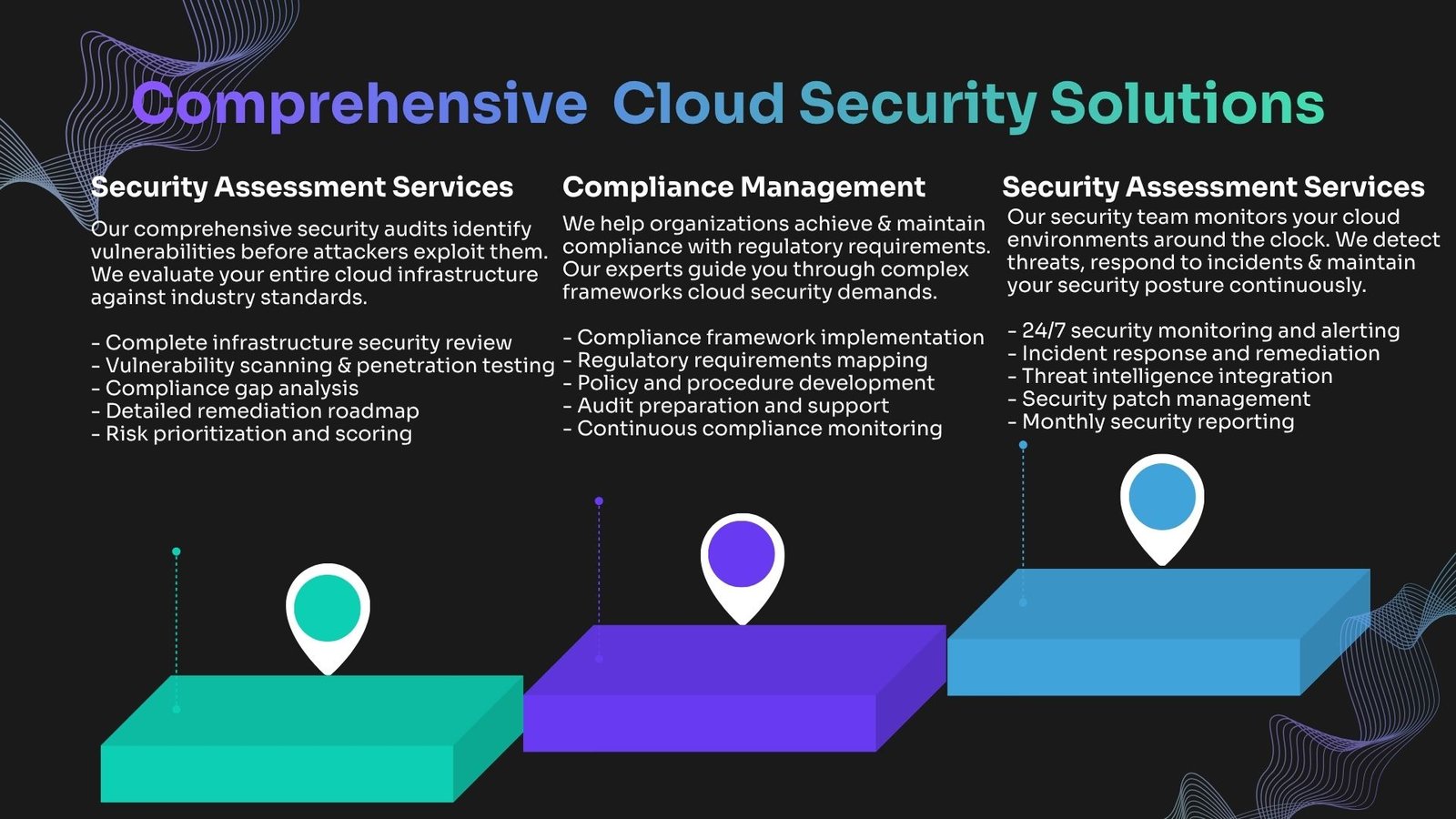
Organizations require complete security solutions for cloud environments. Inventiv Cloud provides expert services that protect sensitive data. Our team implements security compliance frameworks tailored to your business. By leveraging advanced technologies, we ensure robust protection against evolving threats. Regular assessments and updates keep your security posture strong. Partnering with us means gaining peace of mind and a proactive approach to safeguarding your assets. Together, we can navigate the complexities of cloud security effectively. We are dedicated to ongoing training and adaptation to new threats, ensuring your organization remains resilient in a rapidly changing landscape.
Compliance Monitoring and Continuous Auditing
Compliance monitoring ensures ongoing adherence to standards. Organizations cannot treat compliance as one-time achievement. Continuous monitoring detects drift from established baselines. It also allows organizations to identify vulnerabilities before they can be exploited. Regular audits and assessments help maintain security posture and regulatory compliance. By integrating compliance into daily operations, organizations can foster a culture of accountability and awareness among employees. Furthermore, ongoing employee training on compliance protocols is essential. Leveraging advanced technologies can streamline monitoring processes and enhance overall security effectiveness.
Automated Compliance Monitoring Tools
Automated tools continuously assess security compliance posture. These systems scan cloud environments against compliance frameworks. Real-time alerts notify teams of policy violations immediately. Cloud compliance platforms integrate with existing infrastructure. They provide visibility across multi-cloud environments. Organizations maintain consistent security standards everywhere.
Key Compliance Monitoring Capabilities
- Real-time configuration monitoring against compliance frameworks
- Automated remediation for common violations
- Compliance dashboard with executive reporting
- Change tracking and audit trail maintenance
- Policy-as-code implementation for consistency
- Integration with security information tools
Regular Security Audits and Assessments
Internal audits verify compliance program effectiveness. Organizations conduct quarterly or annual reviews. External audits provide independent validation for customers and regulators. Audit preparation requires comprehensive documentation.
- Internal Security Audit: Quarterly audit to identify security gaps and produce a findings report.
- External Compliance Audit: Annual independent check resulting in a SOC 2 or ISO certification.
- Vulnerability Assessment: Monthly scan to discover technical vulnerabilities and review results.
- Penetration Testing: Semi-annual test of security controls producing a penetration test report.
- Compliance Self-Assessment: Continuous monitoring that updates compliance dashboard metrics.
Documentation and Evidence Management
Compliance requires extensive documentation. Organizations maintain policies, procedures, and control evidence. Proper documentation simplifies audit processes.
Document management systems organize compliance artifacts. Version control tracks policy changes over time. Automated collection reduces manual documentation burden.
- Thorough documentation supports regulatory compliance and reduces the risk of penalties.
- Organized documentation systems enhance collaboration and streamline information retrieval.
- Regular audits of documentation ensure accuracy and up-to-date compliance practices.
- Clear evidence trails improve transparency & trust with stakeholders.
Data Protection and Privacy in Cloud Environments
Data privacy regulations require careful handling of personal data. Organizations must protect customer information throughout its lifecycle. Cloud environments introduce unique privacy challenges. To comply with these regulations, businesses must implement robust data governance frameworks and conduct regular audits. Failure to do so can result in severe penalties and loss of customer trust. Additionally, ongoing training for employees is essential to ensure that everyone understands their role in maintaining data privacy. Organizations should also leverage technology to enhance data protection measures and streamline compliance processes.
Personal Data Protection Requirements

Privacy laws define personal data broadly. Any information identifying individuals requires protection. Organizations inventory data to understand privacy obligations. Data minimization reduces privacy risk. Organizations collect only necessary information. Limited data collection simplifies compliance and reduces breach impact. Consent management systems track user permissions. Organizations document data collection purposes. Users can withdraw consent and request data deletion.
Data Residency and Sovereignty

Many regulations restrict data storage locations. Organizations must keep certain data within specific geographic boundaries. Cloud infrastructure supports regional data residency requirements. Data sovereignty laws give countries jurisdiction over data. Organizations operating internationally face complex requirements. Multi-region cloud deployments address these challenges. Additionally, compliance with these regulations is crucial to avoid penalties.
Fundamental Privacy by Design Principles

Privacy by design is essential for embedding protective measures from the outset. Organizations must proactively incorporate privacy into their systems and workflows to avert potential violations. This includes implementing technical controls such as data pseudonymization and automated retention policies. Furthermore, organizations should establish comprehensive privacy measures, including appointing data protection officers and conducting privacy impact assessments.
Security Incident Response and Management
Security incidents will occur despite preventive measures. Organizations must respond quickly and effectively. Proper incident response minimizes damage and recovery time. Training personnel on incident response protocols is crucial, as it ensures everyone knows their roles during a crisis. Regular drills can help teams practice their response strategies, improving overall readiness. Clear communication channels must be established to facilitate swift information sharing. Additionally, a post-incident review is essential to learn from each event and enhance future responses.
Incident Response Planning
Incident response plans define clear procedures. Teams know their roles before incidents occur. Preparation reduces confusion during actual events.Response plans address different incident types. Data breaches require different actions than ransomware attacks. Scenario-based planning improves preparedness.
Regular training ensures team members are familiar with protocols. Effective communication during an incident enhances coordination. Reviewing and updating plans keeps them relevant to emerging threats. Involving all stakeholders fosters a comprehensive approach. Continuous improvement is key to a resilient incident response strategy.
Real-time monitoring provides immediate insights into potential threats. Feedback loops allow teams to adapt strategies based on past incidents. Utilizing metrics helps measure the effectiveness of response efforts.
Incident Detection and Analysis
Early detection limits breach impact significantly. Automated monitoring systems identify anomalies. Security analysts investigate alerts to confirm incidents. Log analysis reveals incident scope and timeline. Security teams trace attacker activities. Understanding attack methods informs response decisions. Severity classification determines response urgency. Critical incidents receive immediate attention. Classification guides resource allocation during response.
Continuous monitoring is essential for timely detection of threats. Incorporating threat intelligence enhances situational awareness. Adaptive response strategies are crucial as attackers evolve their methods. Collaboration with external partners can improve detection capabilities. Regularly updating detection tools ensures effectiveness against new vulnerabilities.
Containment and Recovery Procedures
Containment prevents incident escalation. Affected systems are isolated from the network. Quick containment limits data exposure and system compromise. Evidence preservation maintains investigation integrity. Security teams document actions carefully. Proper evidence handling supports potential legal proceedings. System recovery follows security verification. Organizations restore from clean backups. Vulnerability remediation prevents recurrence.
Continuous monitoring post-incident is essential to detect any lingering threats. Utilizing advanced incident response tools can streamline recovery efforts. A proactive security culture encourages employees to report suspicious activities. Regular drills enhance team readiness for real incidents. Collaboration across departments strengthens overall resilience against future breaches.
Essential Security Tools and Technologies
Security tools automate protection and monitoring. Organizations deploy multiple technologies for comprehensive coverage. Tool integration creates cohesive security architecture. Regular updates ensure tools adapt to new threats. Continuous training for staff enhances incident response capabilities. Advanced analytics improve threat detection accuracy. Effective collaboration among tools streamlines security operations. Additionally, proactive incident response planning is crucial for minimizing risks. Incorporating threat intelligence further strengthens defenses against emerging vulnerabilities.
Cloud Security Platforms
Cloud security posture management tools assess configurations continuously. They identify misconfigurations and compliance violations. Automated remediation fixes common issues instantly. Cloud workload protection platforms secure virtual machines and containers. They provide runtime protection and vulnerability management. Integration with cloud providers enables deep visibility. Furthermore, these tools offer real-time threat detection and response capabilities, ensuring that security teams can react swiftly to potential breaches. Enhanced visibility into cloud environments allows organizations to maintain compliance with industry regulations. Additionally, leveraging machine learning helps in predicting and mitigating risks before they materialize. Overall, these solutions contribute to a robust security framework that adapts to evolving threats.
Security Automation and Orchestration
Security orchestration platforms automate response workflows. They integrate disparate security tools. Automation reduces response time from hours to minutes. Playbooks define automated response procedures. Common incidents trigger predefined actions. Human analysts focus on complex investigations. Infrastructure as code applies security consistently. Organizations define security policies programmatically. Automated deployment prevents configuration drift. Continuous monitoring ensures that security measures adapt to evolving threats. Machine learning algorithms enhance detection capabilities by analyzing patterns in real time. This proactive approach helps in identifying potential vulnerabilities before they can be exploited. This integration significantly enhances overall security resilience and effectiveness.